
Introduction
Packing Hermes Oasis sandals for a weekend trip is about balancing style, comfort, and smart protection so they arrive and perform like new. This guide gives clear, practical steps: how many pairs to bring, what to wear them with, exactly how to pack them, and how to protect the leather and footbed on the road. Read this and you’ll stop second-guessing whether to wear them, carry them, or check them.
Weekend trips demand lightweight decisions and purposeful choices; Hermes Oasis are a statement piece but also a functional sandal for travel. The tips below assume you own the sandals and want straightforward, actionable packing methods—not marketing fluff. Each section starts with a tight summary you can use as a featured snippet, then expands into concrete tactics you can apply immediately. Expect tips on space, protection, outfit combinations, care and a compact table that helps you choose how many pairs to pack.
This article is written from the perspective of someone who travels frequently and treats shoes as both utility and outfit anchor. You’ll get hard advice: what to risk, what to avoid, and how to minimize damage while maximizing outfit permutations. The goal is faster packing, safer transport, and more confident wearing.
Hermes Oasis sandals are considered premium casual footwear; treating them like a fragile fashion investment while keeping travel practical is the sweet spot. Follow these strategies and you’ll save space, avoid scuffs, and keep your Oasis looking the way you bought them.
If you want only the essentials, skip to the table near the end; otherwise read the full plan for tested packing sequences and maintenance moves.
Why choose Hermes Oasis for a weekend trip?
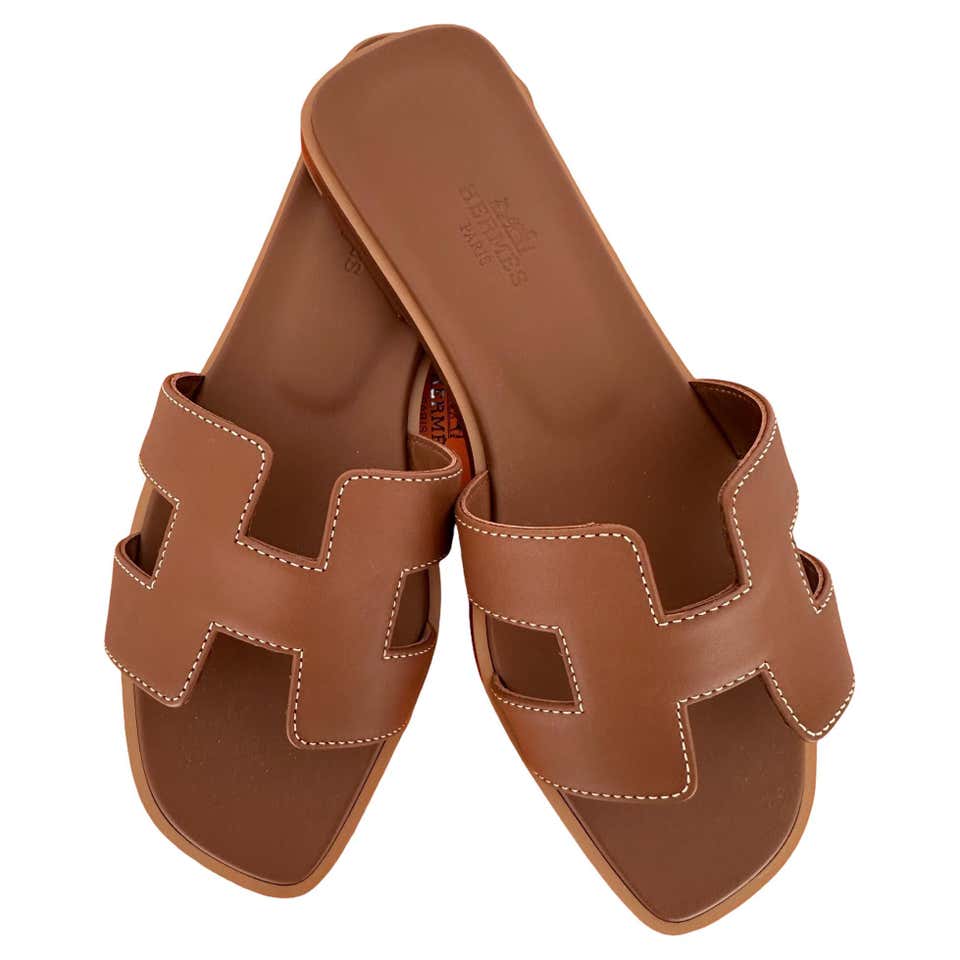
Hermes Oasis sandals combine a oransandals.com/product-category/women-shoes/oasis-sandals/ refined aesthetic with enough casual versatility to handle city walks, poolside lounging, and laid-back dinners—making them an efficient single-pair option for short trips. They simplify outfit planning and replace bulkier shoes when your itinerary is low on formal demands.
The Oasis is often chosen because it elevates even basic looks: shorts, linen pants, lightweight denim, or casual trousers. That visual uplift means fewer outfit changes and fewer shoes. For travelers who prioritize style and want a single “good” sandal, Oasis gives the most mileage per pair.
On a practical level, they’re lighter and less space-consuming than dress shoes or boots, which helps with carry-on-first packing. Still, the branded hardware and molded footbed need protection from scuffs and crushing, which is why specialized packing methods matter. You get the payoff of style with minimal carry weight if you protect them properly.
Choosing Oasis also reduces decision fatigue—your travel outfit becomes simpler and quicker to assemble. That emotional benefit—less to think about while getting out the door—is underrated but real for weekend travelers. The rest of the guide shows exactly how to convert that advantage into a worry-free packing routine.
How many pairs should you pack?
For most weekend trips, bring one pair of Hermes Oasis and one backup pair (light sneakers or flip-flops) only if activities demand it; otherwise one pair suffices. The Oasis should be your primary casual shoe when there’s low chance of formal nights or long hikes.
If your itinerary includes a long daytime walk or a formal dinner, add a low-profile sneaker or loafers respectively—this keeps the Oasis from taking abuse on activities they aren’t built for. Two pairs gives flexibility without doubling shoe bulk; three pairs is overkill for 48–72 hours unless you’re planning separate beach and nightlife outfits.
Travelers who prioritize footwear variety or expect wet weather should favor packable alternatives rather than duplicate luxury sandals. Consider the environment and planned activities: city exploration, beach days, or elevated dinners each change the required pair count. The packing table below quantifies space and weight trade-offs to help decide.
Also consider the risk tolerance: checking luggage with high-value shoes adds chance of damage or loss. If you’re willing to wear Oasis on the plane, you can travel with just that pair and still look put-together on arrival.
What outfits pair best with Oasis sandals?
Oasis sandals pair best with clean, pared-back looks: linen trousers, tailored shorts, breathable polos, and summer shirts; they work equally well with a lightweight blazer for a smart-casual evening. The sandals are a visual anchor, so build outfits around their silhouette and color.
For daytime citywear choose slim or straight cropped trousers and a tucked or half-tucked shirt to balance proportion. For beach or poolside, pair with tailored swim shorts and a linen overshirt—avoid baggy silhouettes that make the sandals look out of scale. In the evening, swap casual shorts for lightweight chinos and add a simple knit or unstructured blazer for a neat, elevated look.
Color coordination matters: neutral sandals (black, tan, white) increase outfit options and reduce packing friction; bolder colors require more deliberate outfit choices but can be the statement in a minimal wardrobe. Accessories—belt or watch strap—should echo the sandal tone for cohesion. Finally, consider socks only if the setting tolerates it; thin no-show socks can protect footbeds for long walks but change the intended aesthetic.
Plan three outfit cores (day, evening, active) and rotate pieces around the sandals to keep luggage minimal and maximize looks from each item.
Packing and protection for Hermes Oasis Sandals
Pack your Oasis inside a soft shoe bag, wrapped with clothing padding, and place them in the center of the suitcase to prevent crushing and abrasion. The first two moves—shoe bag plus clothing buffer—are the minimal protection you need for checked or carry-on luggage.
Start by stuffing the toe box with socks or a folded T-shirt to retain shape, then slide each sandal into its dust bag; if you no longer have the dust bag, use a clean cotton sock or a packing cube compartment. Place the bagged sandals between folded clothes (under jeans or pooled socks) so heavier items sit on either side rather than on top. Avoid stuffing small gaps with the sandals because that increases pressure on straps and can distort hardware.
When using carry-on, keep the sandals at the top of the bag or in an external shoe compartment if available; that reduces compression from clothes shifting during travel. If you must check them, consider double-bagging and surrounding with a hard-sided item like a toiletry case to create a protective shell. Always clean off sand and grit before packing—abrasive particles are the most common cause of scuffs during transit.
Rotate the orientation of left and right sandals (heel-to-heel) to save space and reduce sole flex. If you want an ultra-safe method, pack the original shoebox inside a dedicated shoe compartment, but remember the box itself increases bulk and counts against airline size limits.
Day bag and carry-on placement
Keep the sandals accessible in your day bag if you plan to switch footwear quickly; otherwise place them at the top of your carry-on to prevent heel and strap collapse. Easy access keeps hotel floors and temps from dictating whether you wear them immediately or swap into sneakers.
For carry-on placement, wrap straps with a cloth to stop metal hardware from rubbing into other items. If wearing them on the plane, tuck them under the seat in front to protect straps; if storing overhead, wrap them to stop abrasion from other luggage shifting. Avoid cramming them into side pockets where pressure points form; instead use the main compartment with soft padding around the sides.
Consider a slim shoe bag with ventilation to keep moisture from building up when stowed; that reduces odor and leather stress. If your flight is long and you anticipate swelling, wearing them makes sense, but slow flights can cause foot swelling—test prior trips to know how they feel on planes. Lastly, keep any spare shoe hardware or care cloth in an outer pocket so you can address scuffs immediately.
These placement tactics reduce deformation, protect against scuffs, and help keep the sandals ready to wear on arrival.
Compression, padding and shoebox alternatives
You can replace the shoebox with a hard travel case or reinforced packing cube; the key is a rigid shell that prevents vertical compression. Soft packing cubes help with organization but won’t stop heavy items from crushing the sole or strap hardware.
Create a protective pillow by folding thicker clothing (sweater or jacket) around the sandals and anchoring them with a compression strap inside the bag. For minimalists, a roll of bubble wrap or a molded foam insert provides protection without the volume of a full shoebox. If weight is a factor, prioritize placement in the center of the bag and use clothes as a buffer; that approach gives strong protection at zero extra weight.
Label your shoe bag or case to avoid opening it frequently, which can expose the footbed to moisture and dirt. When traveling with multiple pairs, store the most delicate pair in the center layer and the bulkiest shoes outward. These small structural decisions reduce wear and preserve the sandal’s finish during transit.
Finally, avoid placing toiletries unsealed near the sandals; leaked liquids are an irreversible aesthetic problem for premium footwear.
Can Oasis handle rain and beach environments?
Oasis sandals can tolerate short beach or damp conditions but prolonged exposure to saltwater, heavy rain, or abrasive sand will damage leather or delicate components; avoid deliberate submersion. Treat them as water-resistant for brief contact, not waterproof for extended use.
After beach use, rinse off sand and salt immediately with fresh water and dry gently using a towel; leave them to air-dry away from direct heat. If the footbed or straps are damp, stuff them with absorbent cloths to speed drying and prevent scent build-up. For heavy rain, wipe off water promptly and avoid folding heels or straps while wet, which can create creases and weaken adhesives.
If you expect a wet itinerary, pack a cheap waterproof backup or dedicated water sandals and reserve the Oasis for non-submerged settings. That protects your investment and keeps the Oasis looking sharp for evenings and photos. Consider a small bottle of pH-neutral leather cleaner if your trip mixes sand and pavement frequently; use sparingly and only after testing on a hidden spot.
These practices keep materials intact and make post-trip restoration fast and predictable.
Care and maintenance while traveling
Basic on-trip care: wipe off grit after each wear, air-dry when damp, and use shoe trees or stuffed socks overnight to maintain shape. Small routines prevent permanent damage and keep the sandals ready for multiple wears over a weekend.
Carry a soft microfiber cloth and a tiny kit with neutral soap and conditioner if your straps are leather; clean gently and let them dry naturally. For quick fixes on scuffs, a gentle buff with the cloth often restores the finish without specialized products. Rotate your foot placement slightly each day to avoid uneven wear on the molded footbed, and allow at least several hours between extended wears so internal adhesives can rest.
\”Never jam the sandals into the tightest corner of your bag; strap deformation from pressure is the easiest damage to create and the hardest to reverse,\” advises a travel footwear specialist. This single action—avoiding tight corners—prevents most travel-related shoe deformities and keeps straps aligned.
At the end of the trip, clean them fully before storing; stale sweat and sand left in a packed shoe accelerate material breakdown. If a deep clean or resoling is needed, seek a professional cobbler rather than DIY extreme fixes that can void materials or change dimensions.
Packing checklist and weight comparison
Use a single checklist approach: dust bag, cloth wrap, socks for stuffing, clothing buffer, and a small care cloth. That sequence is compact and prevents the most common forms of transit damage.
The table below helps you decide how many pairs to pack by comparing space score and estimated weight for typical luggage choices. Space score is a subjective 1–10 scale (1 smallest impact, 10 largest); weights are approximate and help with carry-on limits.
| Packing Option | Pairs | Space Score (1–10) | Estimated Extra Weight (g) | Best For |
|---|---|---|---|---|
| Wear on plane | 1 | 1 | 250–400 | Maximize carry-on space, single outfit |
| One pair, carry-on | 1 | 2 | 300–500 | Weekend city trips, no wet plans |
| One pair + backup sneaker | 2 | 4 | 800–1200 | Mixed activities, longer walks |
| Pack in shoebox (checked) | 1 | 6 | 500–800 | Maximum protection, adds bulk |
Follow the checklist and the table to choose the mix that meets your itinerary, luggage size, and tolerance for risk. If weight matters, prioritize wearing the Oasis on the plane and pack light backups.
Little-known facts you can use in planning: Hermes Oasis often retains resale value better than generic sandals because of brand demand; rotating foot placement reduces molded footbed imprint significantly over four wears; salt and sand combined speed abrasion far more than either alone; a small cotton sock inside prevents odors for short storage; and packing in a soft bag with a clothing buffer is often superior to bulky hard cases for carry-on situations.